
Long Creek School
A dive into the Long Creek School of Macon County, Tennessee. A pioneer one room school located just minutes from the town square.
EDUCATION & SCHOOLS
Long Creek School: A Window into Rural Education and Community Life
Nestled just northwest of Lafayette, Tennessee, the Long Creek School stands as a silent witness to a bygone era — one when one-room schoolhouses dotted the rural landscape of America, serving as educational hubs, community gathering places, and symbols of local pride. Though modest in size and simple in construction, the history of this unassuming building tells a rich story about community, education, and change in rural Tennessee.
Origins: Built by the Community
The Long Creek School was built around 1885 on land that belonged to the Johnson family, located in the rural part of Macon County near Lafayette. At that time, small, locally supported schoolhouses like Long Creek were essential to educating children in places where travel to larger towns was impractical.
Unlike today’s consolidated school systems, education in the late 19th century in rural Tennessee relied heavily on small districts and community initiative. Families in the area would contribute materials, labor, and land to construct a place where local children could learn the basics of reading, writing, arithmetic, and citizenship. According to its National Register of Historic Places nomination form, the materials and labor for Long Creek were supplied by the community — proof that education was seen as a shared responsibility and a key investment in the future of the area.
Architecture and Form: Simple but Symbolic
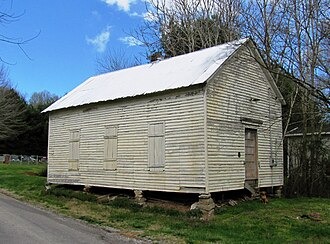
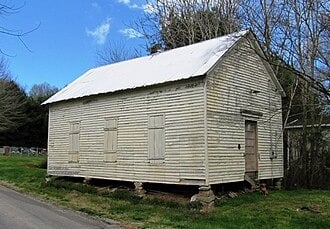
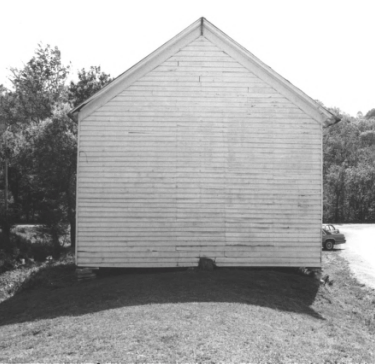
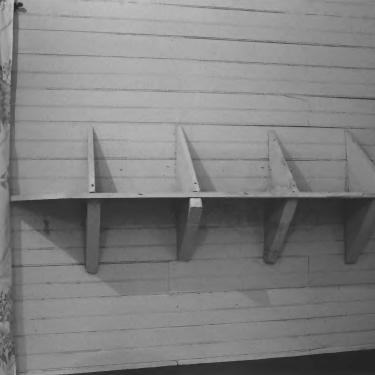
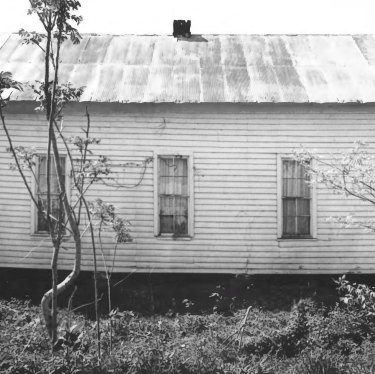
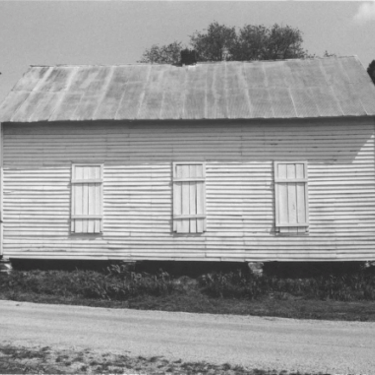
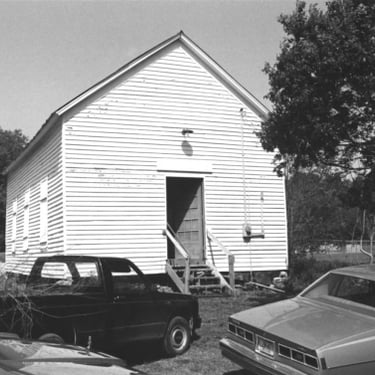
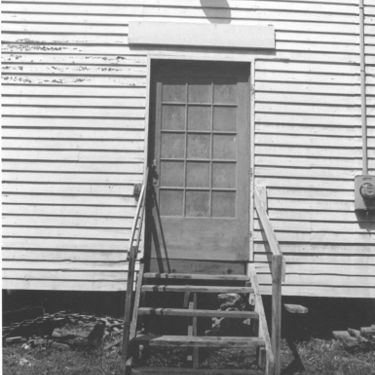
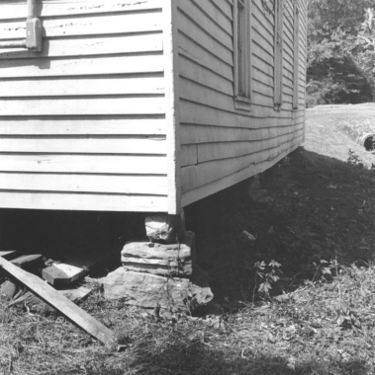
Architecturally, the Long Creek School is an example of the classic one-room schoolhouse — a wooden frame building whose design is unadorned yet deeply functional. Its form followed early school designs typical of late 19th-century America, emphasizing practicality and adaptability. Though not elaborate, the building is historically significant for its integrity and representation of this educational architecture.
Around 1923, the schoolhouse was physically moved about 25 feet west to accommodate the new alignment of a nearby road — a testament both to the changing infrastructure around it and to the desire to preserve the building rather than replace it at that time.
Education and Community Life
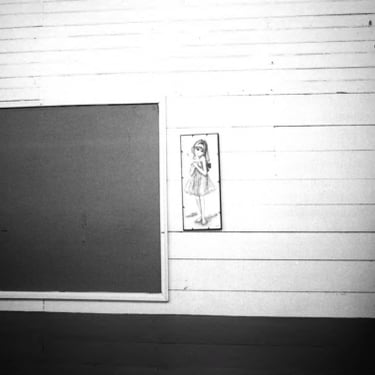
For about 65 years, Long Creek School served as the local center of education. Children from the surrounding farmland and rural homes attended class in a single room, with one teacher responsible for instructing students of all ages and levels. These schools were not just places of learning — they were also places where community ties were strengthened, where neighbors shared news, and where local events often took place after school hours and on weekends.
Beyond its educational role, the building became a community gathering place after it closed as a school in 1950 — a common fate for many such rural schools as education consolidated into larger systems. In later years, it was used by local groups such as the Home Demonstration Club and served as a venue for social functions and meetings, continuing to enrich local life even in its post-school years.
Recognition and Loss: National Register Status
In 1993, Long Creek School was added to the National Register of Historic Places, recognized for its architectural integrity and significance in the educational history of Macon County. Being listed brought attention to the importance of preserving rural educational landmarks, highlighting a structure that might otherwise have faded from memory.
However, in a turn that reflects the challenges facing many historic buildings, the school was delisted from the National Register in 2025. While the reasons for delisting were not detailed in publicly available sources, removal from the Register typically occurs when a property’s historic integrity is lost — whether through significant alteration, damage, or even demolition — or when its significance is reevaluated under revised criteria.
Whether the physical structure still stands or has been fundamentally changed, the delisting marks a poignant moment in its history — one that underscores the fragile nature of preserving small-town heritage in the face of change.
Why Long Creek Matters
At first glance, Long Creek School might seem like just another old building. But its story is emblematic of much larger narratives in American history:
The rise and fall of the one-room schoolhouse, a central institution of rural life in the 19th and early 20th centuries.
Community-driven educational efforts, where neighbors worked together to promote learning long before centralized school systems.
The evolution of rural education, from scattered small schools to consolidated districts with modern facilities.
Historic preservation challenges, especially for structures that lack grand architecture but embody deep local significance.
In these ways, Long Creek School is more than wood and nails — it is a reminder of how education shaped communities, how rural Americans learned and lived, and how stories of ordinary places contribute to our broader understanding of the past.
Looking Back, Looking Forward
Even though Long Creek School is now delisted from the National Register, its legacy endures in the memories of families and residents who grew up in the area or passed by its simple façade. It stands — at least in history if not physically — as a tribute to the resilience and dedication of rural communities in Tennessee and across the country.
Whether you’re a local historian, an educator, or simply someone who appreciates the roots of American education, Long Creek School offers a meaningful glimpse into a time when learning took place in humble settings and when community spirit paved the way for future generations.
Written by: Caleb Fleming, Macon County History Preservation Project
© 2026 | Macon History Project